Short answers to the questions people ask most about Maqbool Bhat, his life, his ideas and the Maqbool Bhat Foundation. Each answer links to the full story on this website. Can’t find your question? Use the Ask a question button, or write to us.
Who was Maqbool Bhat?
Maqbool Bhat (18 February 1938 – 11 February 1984), known as Shaheed-e-Kashmir, was a Kashmiri political leader who struggled for a free, independent and democratic Jammu and Kashmir and for a society free of poverty, ignorance and injustice. He was hanged in Tihar Jail, New Delhi, on 11 February 1984. Read his biography.
When and where was Maqbool Bhat born?
He was born on 18 February 1938 in Trehgam, in the Kupwara district of Kashmir. Birth and childhood.
When was Maqbool Bhat hanged?
He was hanged in Tihar Jail, New Delhi, on 11 February 1984, and buried inside the prison. His family was not told beforehand. Legality of Maqbool’s hanging.
Why is 11 February important?
11 February is the day Maqbool Bhat was hanged in 1984. Every year it is marked as Maqbool Bhat Day (Martyrdom Day) in Kashmir and around the world. 11/2 Around the World and events this year.
Where is Maqbool Bhat buried? Have his remains been returned?
He is buried inside Tihar Jail. His remains have never been returned to his family. A grave has been prepared for him in the Martyrs’ Graveyard at Eidgah, Srinagar, and it is still empty. Sign the demand to bring him home.
Where did Maqbool Bhat study?
He studied at St Joseph’s College and completed his BA in Srinagar in 1958. In Pakistan he worked as a journalist in Peshawar and studied for an MA. Further education.
Why did Maqbool Bhat go to Pakistan in 1958?
After his BA exams in 1958 student activists were being hunted and arrested. He was a target, went underground and crossed to Pakistan, where he settled in Peshawar. Crossing the divide the first time.
What happened when he returned in 1966?
He crossed back in June 1966, was captured and was sentenced to death. In 1968 he escaped from the prison in Srinagar and crossed the line again. First crossing back and Escape from prison.
Was Maqbool Bhat also imprisoned in Pakistan?
Yes. After reaching Muzaffarabad on 25 December 1968 he was held in the interrogation centre there until March 1969. After the 1971 Ganga hijacking he was arrested again and tried before a special court in Pakistan. Caged on both sides.
What was the Ganga hijacking?
In January 1971 an Indian Airlines plane named Ganga was hijacked to Lahore. The event brought Maqbool Bhat and the Kashmir issue to international attention, and he was later tried in Pakistan in connection with it. The Ganga hijacking.
What happened in 1976?
In May 1976 he crossed into Indian-administered Kashmir again and was arrested within days. In 1978 his death sentence was restored and he was moved to Tihar Jail. The last crossing.
Why is he called the Che Guevara of Kashmir?
Like Che Guevara, he is remembered as a revolutionary who gave his life for the freedom of his people and for social justice, and whose image became a symbol for a new generation. Commemorating Kashmir’s ‘Che’.
What did Maqbool Bhat mean by Azadi (freedom)?
In his words: “By liberation we don’t mean merely the end of foreign occupation from the land of Kashmir but we want our people to be liberated from the forces of poverty, backwardness, ignorance, diseases, injustice and economic and social disparities.” Quotes of Maqbool Bhat.
What are Maqbool Bhat’s most famous words?
His best-known words include: “My only crime is that I have rebelled against the forces of obscurantism, ignorance, greed, exploitation, slavery, nepotism and hypocrisy.” More quotes.
What was his last wish?
“As my last wish, I would like to ask all my friends who share the vision with me to stay put and carry on with the struggle for the common purpose no matter how severe the conditions become.”
Which organisations did he found?
He was among the founders of the National Liberation Front (NLF) in the 1960s, and the Jammu Kashmir Liberation Front (JKLF) regards him as its founder. In Pakistan.
Who was his mother and what did she do?
His mother, Shahmali Begum, campaigned for three decades for the return of her son’s remains. Her struggle is the subject of the documentary Bring Him Back (2015), directed by Fahad Shah and produced by Talat Bhat. Watch the film.
Where can I read his letters and writings?
The Letters and writings page has his prison letters, “Mai Kaun Hun” and a biography, with original scans. The Letters section has more.
Are there videos of Maqbool Bhat?
Yes. The Videos page has more than 450 videos: archive footage, speeches, documentaries and Martyrdom Day events, with search.
What is the Maqbool Bhat Foundation?
The Maqbool Bhat Foundation (MBF) is a project of the Kashmir Record & Research Council (KRRC). It keeps the record of Maqbool Bhat’s life and struggle: his writings, letters, pictures, news and articles, and campaigns for the return of his remains. About the Foundation.
What is the 11 February Manifesto?
A call to all nationalist, progressive, labour, writers’, intellectual and civil-society groups to mark 11 February together, with one joint event in every city, for a free, secular, united Jammu and Kashmir and lasting peace in South Asia. Read and endorse the manifesto.
How can I support the demand to return his remains?
Sign the demand and send the letter to the authorities in your own name on the Bring Him Home page.
How can I add an 11 February event?
Use the Send us your event form: title, poster, Facebook event, date and place. Events appear after the Foundation checks them.
How can I send news and photos of an event?
Use the Send news and pictures form. Your report and up to 12 photos are checked by the Foundation and published in the 11/2 Around the World archive.
Can I share my art about Maqbool Bhat?
Yes. Paintings, posters, sketches, calligraphy, photography, digital art and 3D models are welcome on the Art page.
How can I contact the Foundation?
Through the contact page, or on Facebook: Maqbool Bhat Foundation.
Is the website available in Urdu and Hindi?
Yes. The main pages are available in English, Urdu and Hindi, and the language button at the top can show the site in other South Asian languages.
How can I get news from the Foundation?
Subscribe to the newsletter in the box at the bottom of every page. You confirm by email and can unsubscribe at any time.
How can I donate or help the archive?
Send photographs, documents, letters, press cuttings and memories through the contact page or the forms on this site. Every contribution helps keep the record.
No question matches. Try the chat button, or ask us.
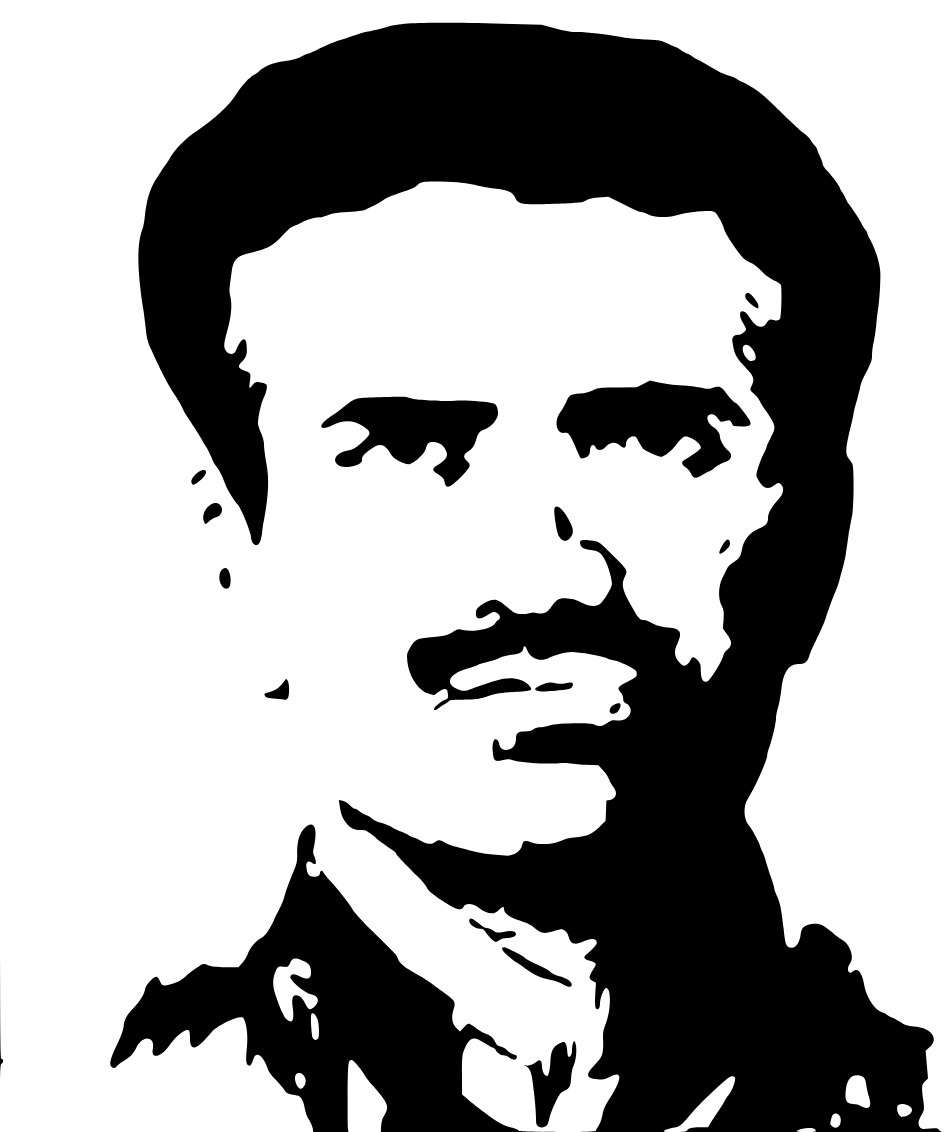 Ask about Maqbool Bhat
